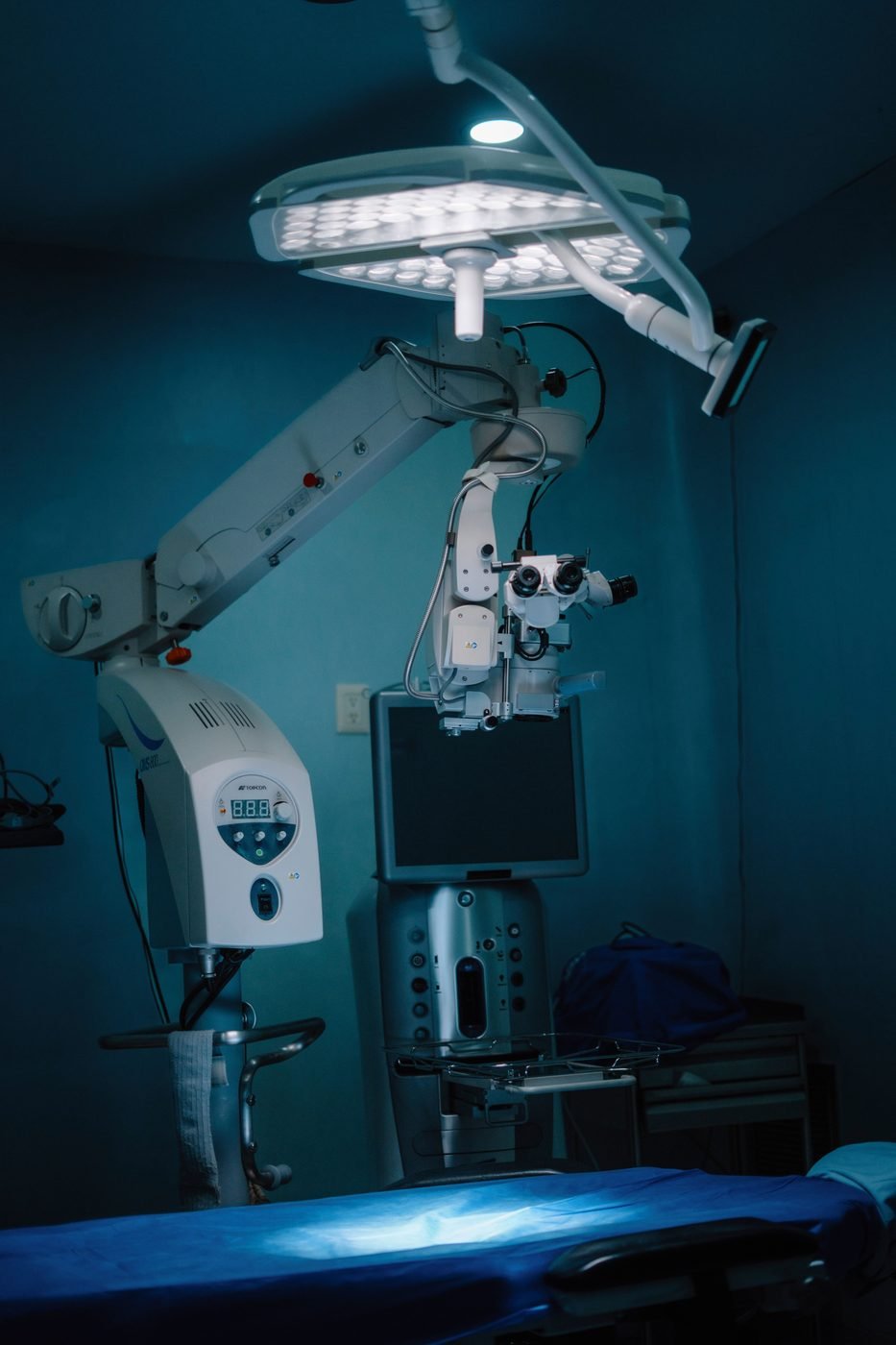
The most consequential technology decisions rarely begin with a product comparison. They begin with a precise understanding of the operating problem, the evidence required and the people who will carry the change into daily work. This clinical guide examines enterprise strategy for Medical Imaging Technology in Healthcare IT.
The decision context
Healthcare IT teams are balancing interoperability, reliability, cybersecurity and measurable modernization. Medical Imaging Technology adds a new decision layer around quality, workflow, integration and responsible automation. The central editorial question is simple: What must leaders decide before committing resources? A useful answer must work across clinical or scientific practice, technology architecture, economics, compliance and the experience of the people expected to use the capability.
The desired outcome is a clear investment thesis. That requires an explicit definition of the problem, the users affected, the decisions being changed and the boundary between automation and professional judgement. Without those elements, teams risk buying capability before they have designed the work.
“The quality of a healthcare technology programme is determined less by the demo than by the decisions, controls and learning system built around it.”
Design the operating model before scale
A production-ready model should name the accountable executive, clinical or scientific sponsor, product owner, data steward, security owner and frontline workflow lead. It should also define how exceptions are handled, how performance is monitored and how users can challenge or override the system when context requires it.
Questions for the working session
- Which health it problem is important enough to justify change?
- What evidence would demonstrate that Medical Imaging Technology improves the defined decision or workflow?
- Which team owns daily performance, exceptions and user feedback?
- What data, integration and security dependencies must be dependable?
- Which conditions would trigger expansion, redesign or retirement?
Risk and assurance
The most important failure modes are usually not dramatic technical defects. They are ambiguous ownership, weak workflow fit, incomplete evidence, inconsistent data, unplanned maintenance and a value story that cannot be tested. For Healthcare IT, this means reviewing the entire pathway rather than evaluating Medical Imaging Technology as an isolated tool.
Measure what changes in the real system
Measurement should connect adoption to outcomes. Useful measures may include time returned to teams, avoided rework, pathway consistency, service reliability, user confidence, safety signals and the quality of the underlying decision. Vanity metrics such as logins or model outputs are weak substitutes for a clear operational result.
Build for change, not permanence
Future-readiness depends on modular architecture, portable data, documented interfaces, reviewable decision logic and contracts that preserve flexibility. Teams should be able to change a component without rebuilding the entire programme or losing the evidence trail that supports trust.
Leaders should treat the operating model as a living product. Evidence, workflows, controls and user needs will change; governance must be capable of learning without losing accountability. The combined decision lens for this topic is interoperability, reliability, cybersecurity and measurable modernization; quality, workflow, integration and responsible automation.
Executive takeaways
- 01Start with a defined decision or workflow, not a technology category.
- 02Make evidence, ownership and escalation visible before wider deployment.
- 03Measure operational and clinical value rather than activity alone.
- 04Preserve architectural and commercial flexibility as the programme matures.
Sources and verification starting points
- IMDRF — International medical device regulatory resources ↗
- U.S. FDA — Digital Health Center of Excellence ↗
Editors should verify current regulatory, scientific and market-specific details before commercial publication.